
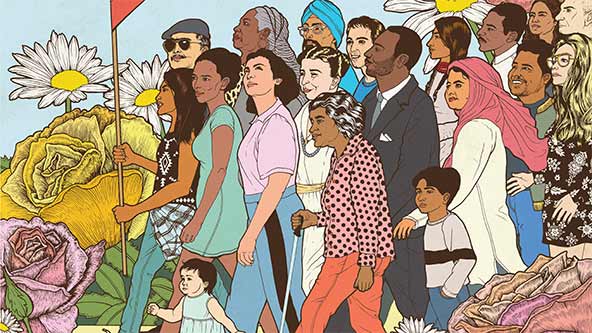

Civil society is a fundamental pillar of modern democracy, representing the collective space where individuals and organizations engage independently of government and business. It encompasses a wide range of entities, from non-governmental organizations and community groups to advocacy networks and faith-based organizations. Civil society encourages civic participation, empowers citizens, and ensures that public voices influence political and social decisions.
Understanding civil society helps citizens recognize their role in shaping society. By participating in volunteer programs, advocacy campaigns, or local community initiatives, individuals contribute to social cohesion and democratic governance. Civil society strengthens the public sphere, promoting accountability, transparency, and ethical governance while providing platforms for marginalized groups to express their interests and concerns effectively.
What is Civil Society?
Civil society refers to the network of organizations, associations, and institutions that exist independently from the state and commercial sectors to promote public welfare. It acts as the “third sector” of society, bridging the gap between individuals and government. Civil society encompasses NGOs, trade unions, cultural groups, and other civic organizations that seek to address social, political, and economic challenges in a community-focused manner.
Historically, civil society has played a crucial role in shaping societies. From movements during the English civil war to advocacy in the American civil war, civil society has consistently provided citizens with platforms for dialogue, protection, and action. Today, civil society continues to evolve globally, promoting social justice, influencing policies, and fostering citizen engagement in democratic processes.
The Role of Civil Society in Democracy
Civil society serves as the backbone of democratic governance by encouraging citizen participation and monitoring government actions. Organizations within civil society facilitate civic engagement, mobilize communities, and ensure that citizens’ rights are protected. By providing platforms for public debate and advocacy, civil society strengthens democracy and promotes social accountability, ensuring that governments act in the public interest.
In addition to promoting accountability, civil society plays a pivotal role in policy development and social reform. Through research, advocacy campaigns, and grassroots movements, civil society organizations influence legislation and governance practices. These efforts ensure that democracy remains inclusive, equitable, and responsive to citizens’ needs, highlighting the essential function of civil society in maintaining a healthy democratic environment.
Key Components of Civil Society
Civil society is made up of diverse organizations that collectively address social, political, and cultural issues. Non-governmental organizations, community associations, labor unions, and advocacy groups form the core of civil society, each working to represent citizen interests and promote public welfare. These components create opportunities for collective action and empower individuals to influence societal change beyond their personal capacities.
Faith-based organizations, educational initiatives, and professional networks are also integral to civil society. They provide essential support systems, encourage civic participation, and foster collaboration among citizens. Together, these components form a resilient network that promotes social stability, encourages human rights, and facilitates meaningful engagement in governance and democratic processes.
Impact of Civil Society on Society and Governance
Civil society profoundly impacts governance by promoting transparency, accountability, and citizen empowerment. Organizations within civil society monitor government activities, advocate for human rights, and drive social change through initiatives in education, health, and community development. By holding authorities accountable and amplifying marginalized voices, civil society ensures that governance serves the needs of all citizens.
Furthermore, civil society strengthens social cohesion by encouraging citizen participation and collaboration. From local volunteer programs to global advocacy campaigns, civil society fosters engagement and civic responsibility. Its influence extends across various sectors, demonstrating that a strong civil society is essential for resilient communities, effective governance, and the overall health of democracy.
Challenges Facing Civil Society Today
Despite its critical role, civil society faces significant challenges, including political restrictions, funding shortages, and societal skepticism. Governments may impose regulations or limitations that hinder the work of civil society organizations. In addition, securing sustainable funding remains a constant concern, as financial instability can weaken the ability of civil society to address social and political issues effectively.
Civil society must also adapt to contemporary challenges such as digital activism, misinformation, and global crises. Maintaining credibility, transparency, and public trust is crucial for the continued effectiveness of civil society. By overcoming these challenges, civil society ensures that citizen engagement remains robust and that democratic principles continue to flourish in an increasingly complex world.
Conclusion
Civil society is a cornerstone of democracy, providing citizens with a platform to engage, advocate, and influence societal change. By fostering participation, accountability, and transparency, civil society strengthens governance and supports social justice initiatives. Understanding the importance of civil society empowers individuals to contribute to a more equitable and responsive society, reinforcing the foundations of democracy for future generations.
Frequently Asked Questions
What is civil society and why is it important?
Civil society is the network of organizations and institutions that operate independently from government and business to promote civic engagement and public welfare. It is important because it strengthens democracy, encourages accountability, and empowers citizens to influence societal change.
How does civil society differ from government and business?
Civil society is distinct from the government and private sectors, focusing on social welfare, advocacy, and public participation rather than profit or state authority. It acts as the intermediary between citizens and formal institutions.
What are some examples of civil society organizations?
Examples include NGOs, community groups, trade unions, advocacy networks, and faith-based organizations. Each organization contributes to social welfare, policy advocacy, and citizen empowerment.
How does civil society contribute to democracy?
Civil society contributes by promoting civic participation, influencing policy decisions, and holding governments accountable. It ensures that all citizens, including marginalized communities, have a voice in democratic processes.
Can civil society exist during times of civil war?
Yes, civil society often plays a vital role during conflicts, providing humanitarian aid, advocacy, and community support while promoting dialogue and social cohesion.
You may also read: KSI Net Worth 2025: How the YouTube Star Built a $100 Million Empire