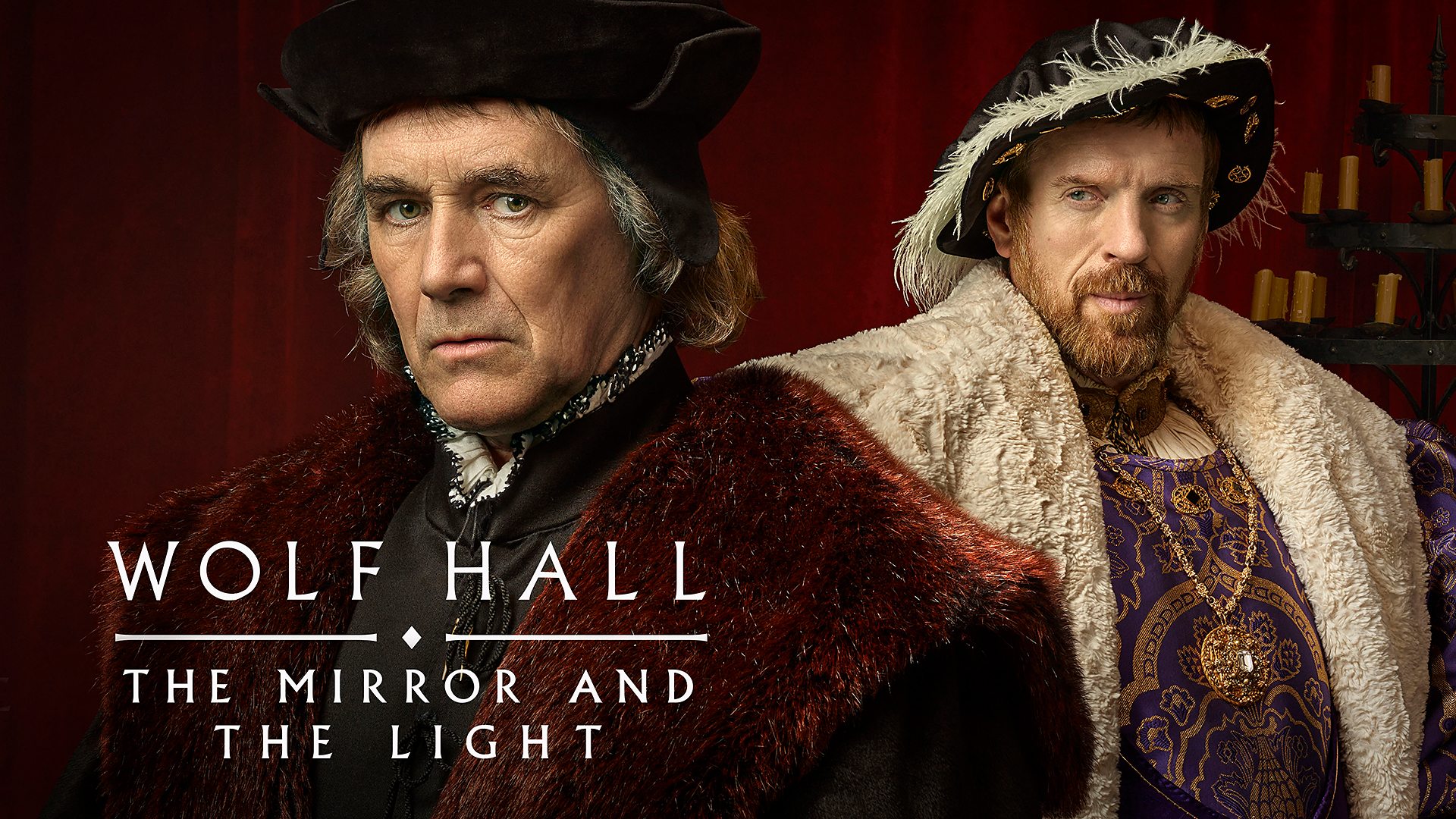

The mirror and the light is widely regarded as one of the most powerful historical novels of the modern era, completing Hilary Mantel’s groundbreaking trilogy that reimagines the life of Thomas Cromwell. This book continues directly after the dramatic execution of Anne Boleyn, plunging readers into a world where political loyalty can shift overnight and ambition becomes both a strength and a curse. Its storytelling brilliance continues to attract readers around the world, cementing its place as a modern classic.
Readers drawn to historical fiction, Tudor drama, or the larger Wolf Hall universe find that the mirror and the light offers both emotional depth and intellectual intrigue. The novel and its TV adaptation continue to dominate searches related to Wolf Hall, Tudor politics, and cultural portrayals of Cromwell. This article explores every important aspect of the novel, including its plot, themes, character studies, symbolism, and media presence.
About the Author: Hilary Mantel
Hilary Mantel was known for her extraordinary ability to humanize historical figures, transforming dusty archives into vivid, living stories. Her success with Wolf Hall and Bring Up the Bodies established her reputation as one of the most influential writers of her generation. The mirror and the light represents the culmination of decades of research, writing, and revision, making it her final and perhaps most ambitious achievement.
Mantel’s talent lay not only in historical accuracy but in creating compelling internal worlds for characters often reduced to political labels. Her portrayal of Cromwell is complex, nuanced, and emotionally rich, helping readers understand the man behind the power. The mirror and the light showcases her ability to blend philosophical reflection, political suspense, and intimate human drama, leaving a lasting impression on modern literature.
Overview of The Mirror and the Light
The mirror and the light was published in 2020 and instantly became one of the most anticipated novels of the decade. As the final book in Mantel’s trilogy, it had the difficult task of concluding Cromwell’s story while matching the emotional depth and literary sophistication of its predecessors. The novel captures England during a period of extreme instability, offering readers a close look at the constant tension between religion, monarchy, and survival.
Thematically, the book explores identity, reflection, and the consequences of unchecked authority. Mantel uses the imagery of the mirror and the light to show the gap between how individuals see themselves and how they are judged by the world around them. These metaphors run throughout the trilogy but reach their most impactful expression in this final installment, making the title crucial to understanding the story’s deeper meaning.
Full Plot Summary

The novel opens immediately after Anne Boleyn’s death, a moment that thrusts Cromwell into new levels of influence and danger. As the king’s trusted advisor, he must navigate a realm full of rivals who resent his power, his background, and his intelligence. The mirror and the light reveals Cromwell’s growing responsibility over England’s political landscape, exploring how he manages reforms, diplomacy, and the king’s emotional volatility.
Henry VIII’s marriage to Jane Seymour marks a significant shift in the political climate. Cromwell’s role in securing the marriage demonstrates his strategic brilliance, yet it also exposes him to personal and political vulnerabilities. The novel highlights the fragile nature of court alliances, showing how even Cromwell’s successes can lead to suspicion and resentment. As tensions grow and the king becomes increasingly unpredictable, Cromwell’s position becomes more precarious.
As the story progresses, Cromwell faces challenges from noble families who never accepted his rise from humble origins. Mantel portrays this escalating conflict with exceptional psychological detail. Even as Cromwell continues shaping England’s future, he cannot escape the shadows of old enemies or the consequences of decisions made in earlier books. The mirror and the light uses these pressures to foreshadow the inevitable turn in Cromwell’s fortunes.
The novel concludes with Cromwell’s arrest, trial, and execution—events portrayed with emotional intensity and historical precision. Mantel does not rush this ending; instead, she guides readers through Cromwell’s reflections on loyalty, ambition, and mortality. The final chapters of the mirror and the light emphasize the human cost of power and the haunting silence that follows a fall from greatness, leaving readers with a deeply moving conclusion.
Character Guide
Thomas Cromwell remains the heart of the story, portrayed as a man shaped by hardship, ambition, and remarkable intelligence. Mantel allows readers to see both his strategic brilliance and his personal vulnerabilities, making him one of the most complex protagonists in historical fiction. The mirror and the light expands on his inner conflicts as he tries to balance loyalty to the king with the demands of survival in a treacherous political world.
King Henry VIII appears in this novel as a figure of enormous power but decreasing stability. His shifting moods and unpredictable decisions drive much of the plot’s tension. While Cromwell relies on the king’s favor, he also fears how quickly that favor can disappear. The mirror and the light portrays Henry not only as a ruler but as a man struggling with personal grief, health issues, and mounting political pressure.
Meaning and Symbolism
The title of the mirror and the light carries profound symbolic meaning. The “mirror” represents self-reflection, public perception, and the image one presents to the world. For Cromwell, the mirror symbolizes how he is judged by others—especially those who resent his rise. It also reflects his own struggle to understand who he is beneath the layers of political responsibility.
The “light” in the title symbolizes truth, revelation, and the inescapable exposure that comes with power. As Cromwell’s political influence grows, the light shines more intensely on his actions, revealing both his brilliance and his flaws. In the mirror and the light, Mantel uses these metaphors to explore how power reveals character, shaping both public legacy and private identity.
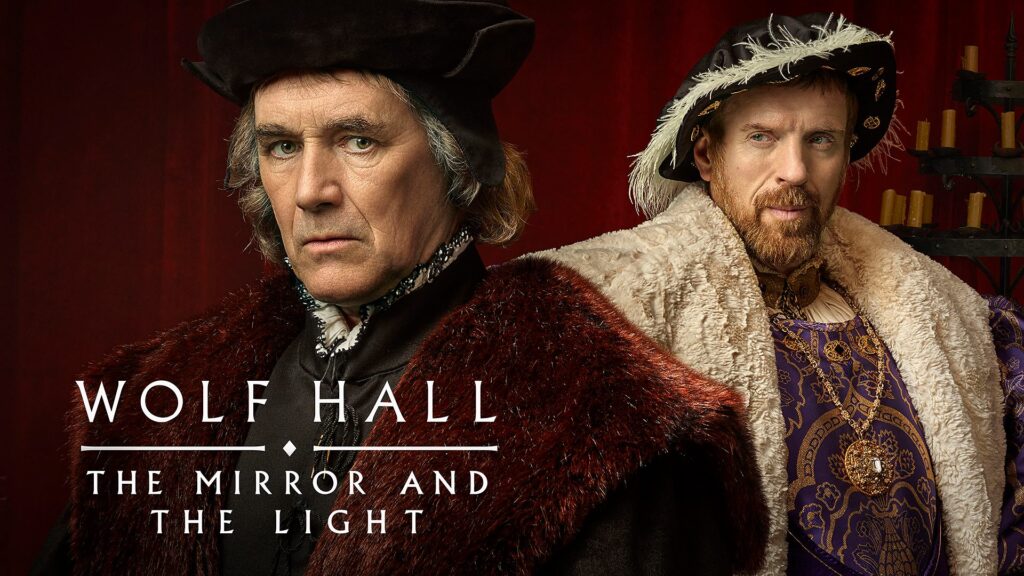
Wolf Hall: The Mirror and the Light TV Adaptation
The television adaptation of Wolf Hall continues the story with cinematic depth and emotional richness. The production brings Tudor England to life through detailed set design, expressive performances, and faithful interpretations of Mantel’s writing. Viewers who watch the series after reading the mirror and the light often find new layers of insight into Cromwell’s motivations and the political dangers surrounding him.
Casting plays a major role in the success of the adaptation. Actors portraying Cromwell, Henry VIII, Jane Seymour, and other court figures deliver strong performances that complement Mantel’s literary portrayals. While the adaptation condenses certain scenes, it remains faithful to the novel’s emotional tone and thematic complexity. The mirror and the light benefits from the series’ ability to show subtle facial expressions, shifting alliances, and unspoken tensions.
Conclusion
The mirror and the light stands as a monumental achievement in historical storytelling. Its vivid portrayal of Thomas Cromwell’s final years offers a powerful examination of loyalty, ambition, and the cost of political survival. Hilary Mantel’s writing blends historical detail with psychological depth, creating a trilogy finale that resonates long after the final page. Both the novel and the television adaptation continue to shape public interest in Tudor history and character-driven narratives.
The enduring influence of the mirror and the light reflects not only its historical accuracy but its universal themes. Readers from all backgrounds can relate to its exploration of identity, responsibility, and the shifting nature of power. As part of a trilogy, it completes Cromwell’s story with emotional resonance, leaving a lasting mark on modern fiction.
FAQs
What is The Mirror and the Light about?
The novel follows Thomas Cromwell after Anne Boleyn’s execution and explores his rise, influence, and eventual downfall within Henry VIII’s court. It portrays political tensions, personal challenges, and the complexities of Tudor power.
Is it necessary to read the first two books?
Yes, reading Wolf Hall and Bring Up the Bodies enhances the emotional and historical understanding of the mirror and the light, making Cromwell’s final journey more impactful.
How accurate is the story?
Hilary Mantel relied heavily on historical records, letters, and contemporary accounts. While some dialogue and inner thoughts are fictionalized, the major events remain accurate and grounded in documented history.
How does the TV adaptation differ?
The adaptation condenses certain scenes for pacing but stays true to the tone, themes, and emotional depth of the mirror and the light. It highlights Cromwell’s relationships and political struggles.
Why is the title significant?
The title reflects themes of identity, perception, and truth. The mirror represents self-reflection and public image, while the light symbolizes clarity, exposure, and the harsh realities of power.
You may also read: Chelsea Flower Show 2025 Tickets