
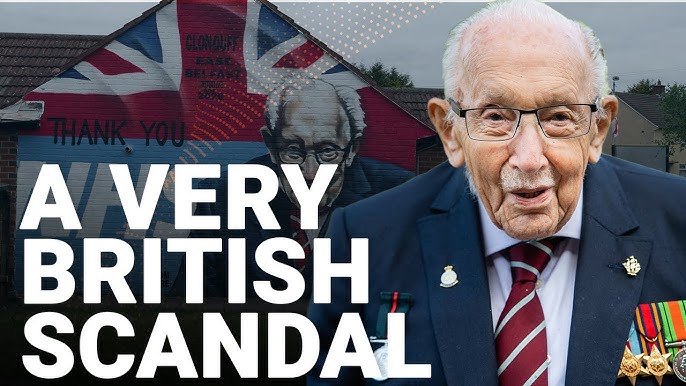

The Captain Tom Foundation Scandal was created in the aftermath of Captain Sir Tom Moore’s extraordinary fundraising success during the COVID-19 pandemic. Initially, the charity aimed to support causes close to Captain Tom’s heart, particularly organizations assisting the elderly. However, the foundation quickly became embroiled in controversy due to allegations of mismanagement, personal gain by trustees, and governance failures that ultimately overshadowed the noble intentions behind its creation.
Captain Tom Moore’s fame and reputation as a national hero gave the foundation immediate credibility. Millions of people trusted the foundation to uphold his legacy, donate responsibly, and support elderly charities. Yet, the Captain Tom Foundation’s story demonstrates how even the best intentions can be compromised without proper oversight, leading to public criticism, legal scrutiny, and a significant name change to the 1189808 Foundation.
Who Was Captain Tom Moore
Captain Sir Tom Moore, affectionately known as Sir Captain Tom, became an emblem of hope during the global COVID-19 crisis. At 99 years old, he walked laps in his garden to raise funds for NHS charities, eventually collecting millions of pounds and capturing the hearts of people worldwide. His fundraising efforts demonstrated the power of compassion, determination, and public trust in charitable initiatives.
The Captain Tom Foundation Scandal was founded to extend this spirit of philanthropy beyond Captain Tom’s lifetime. His family members, including his daughter Hannah Ingram-Moore, played central roles in managing the charity. While Captain Tom’s personal legacy remains untarnished, the foundation’s controversies have complicated public perception, highlighting the delicate balance between family involvement and professional charity governance.
Formation of the Captain Tom Foundation Scandal
The Captain Tom Foundation was established in June 2020 with the mission of supporting elderly charities across the United Kingdom. Its creation aimed to channel the goodwill generated by Captain Tom’s fundraising into structured programs that could benefit vulnerable older adults. Trustees, mainly family members, were entrusted with oversight, fundraising, and managing donations to ensure the foundation remained aligned with its charitable objectives.
Despite good intentions, the foundation faced early concerns regarding governance and accountability. Decisions by trustees blurred the line between personal and charitable interests, raising ethical questions. The Captain Tom Foundation quickly became a case study in how family-led charities must maintain transparency, proper governance, and clear operational boundaries to protect both public trust and charitable missions.
Mismanagement and Trustee Controversy
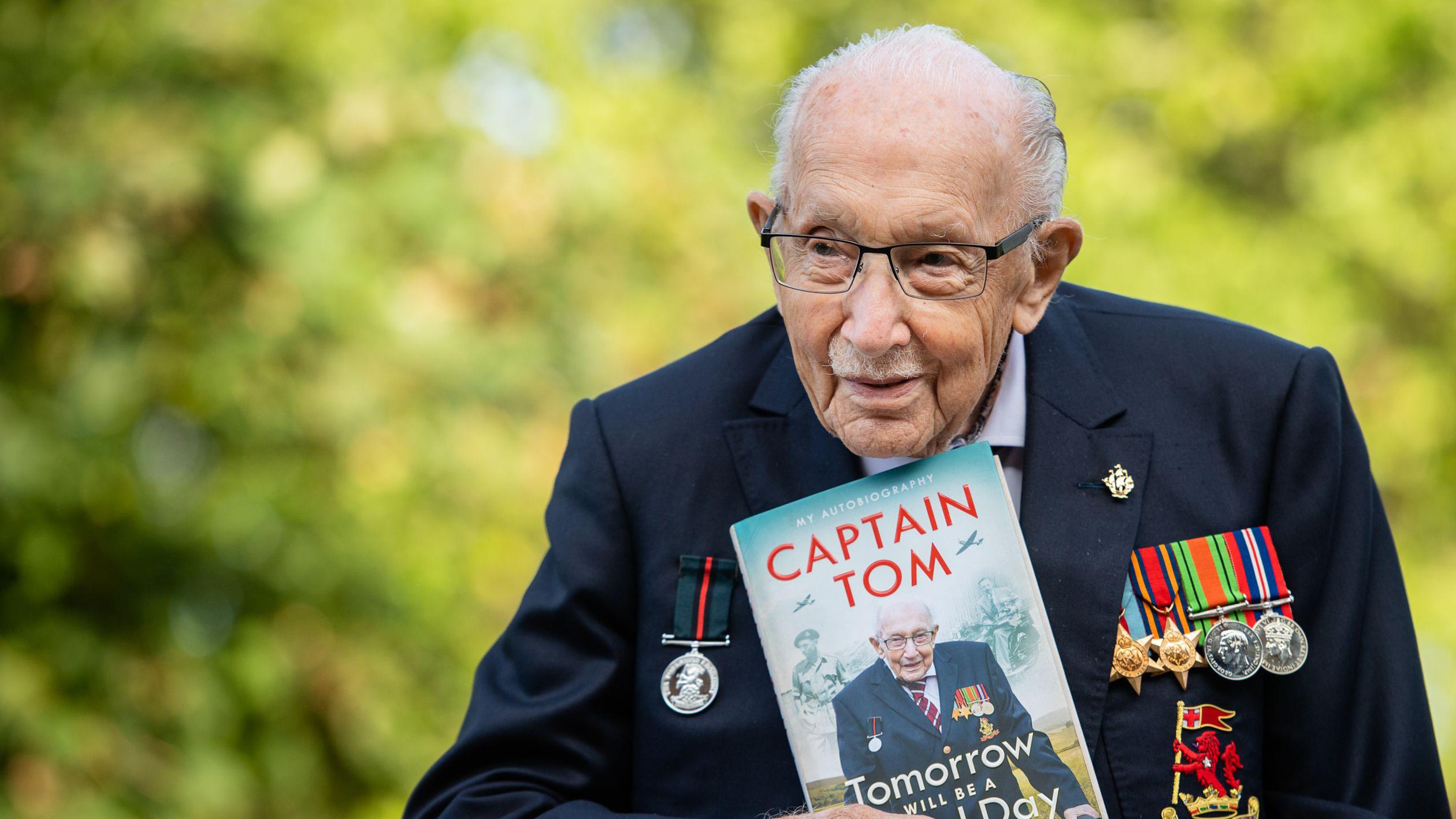
The most significant issues for the Captain Tom Foundation arose from trustee misconduct and allegations of mismanagement. Investigations revealed that some trustees, including Captain Tom Moore’s daughter and her husband, benefited personally from the foundation. Payments for “ambassador roles” and the use of charity funds for private home improvements, including a spa and pool, led to public outcry and scrutiny from the Charity Commission.
Media coverage highlighted the gap between the foundation’s stated objectives and the actual use of funds. The controversy underscored the risks of family-dominated charity governance without independent oversight. The Captain Tom Foundation scandal became emblematic of how mismanagement, even in well-meaning organizations, can damage reputations, erode donor trust, and divert attention from the intended charitable mission.
Name Change and Current Status
Following the controversy, the Captain Tom Foundation officially rebranded itself as the 1189808 Foundation. This change was not merely cosmetic; it marked a legal and operational shift intended to distance the charity from ongoing public scrutiny. The foundation ceased actively fundraising and making payments, reflecting a broader strategy to stabilize its operations amid reputational challenges.
Currently, the Captain Tom Foundation exists primarily as a historical entity, with limited public engagement or charitable distribution. The rebranding highlights the importance of professional management, ethical oversight, and clear accountability. It serves as a lesson for other family-led charities, demonstrating that even well-known names like Captain Tom Moore cannot guarantee public trust without rigorous governance structures.
Impact on Captain Tom’s Legacy
While the foundation’s controversy generated negative publicity, Captain Tom Moore’s personal legacy remains widely celebrated. His determination, compassion, and fundraising success continue to inspire individuals and charitable organizations globally. Nonetheless, the Captain Tom Foundation scandal reminds the public and other charities that organizational missteps can affect the perception of even the most beloved figures.
Family involvement in the foundation, particularly decisions made by Hannah Ingram-Moore and her husband, has been a central factor in public criticism. The case emphasizes that transparent leadership, independent oversight, and clear separation between personal and charitable interests are critical. The Captain Tom Foundation scandal offers an important lesson on how governance issues can overshadow otherwise admirable philanthropic efforts.
Other Controversial Ventures
Beyond charity, the Captain Tom Foundation became associated with commercial projects such as Captain Tom gin and other branded merchandise. While intended to honor his legacy, these ventures raised questions about the commercialization of charitable figures. Critics debated whether such activities aligned with Captain Tom’s original philanthropic intentions or served personal and financial interests of those managing the foundation.
The media and public also compared the Captain Tom Foundation controversy to other charity scandals, emphasizing governance lessons. These discussions reinforced the need for transparency, ethical management, and proper accountability in all charitable and commercial projects linked to well-known philanthropic figures.
Conclusion
The Captain Tom Foundation demonstrates how even the most well-intentioned charities can encounter serious governance challenges. Mismanagement, conflicts of interest, and trustee misconduct overshadowed the foundation’s original mission to support elderly causes. While Captain Tom Moore’s personal achievements remain celebrated, the foundation’s story provides valuable lessons on accountability, transparency, and professional management in charitable organizations.
FAQs
What happened to the Captain Tom Foundation?
The Captain Tom Foundation faced scrutiny for mismanagement and trustee misconduct. It is now inactive and operates under the new name 1189808 Foundation.
Who were the trustees of the Captain Tom Foundation?
The charity’s trustees included Captain Tom Moore’s family members, notably his daughter Hannah Ingram-Moore and her husband, whose actions drew criticism.
Why did the Captain Tom Foundation change its name?
The foundation rebranded to 1189808 Foundation amid public scrutiny and legal considerations, reflecting efforts to distance itself from controversy.
Is the Captain Tom Foundation still accepting donations?
No, the foundation ceased active fundraising and charitable payments following governance and misconduct investigations.
How did the scandal affect Captain Tom Moore’s legacy?
While the Captain Tom Foundation controversy created public debate, Captain Tom Moore’s personal legacy of generosity and resilience remains widely celebrated.
Were there commercial ventures linked to the foundation?
Yes, ventures like Captain Tom gin and merchandise were associated with the foundation, raising ethical questions about commercial use of charitable figures.
You may also read: Hamish Ogston: The Life and Legacy of a British Business Tycoon and Philanthropist